

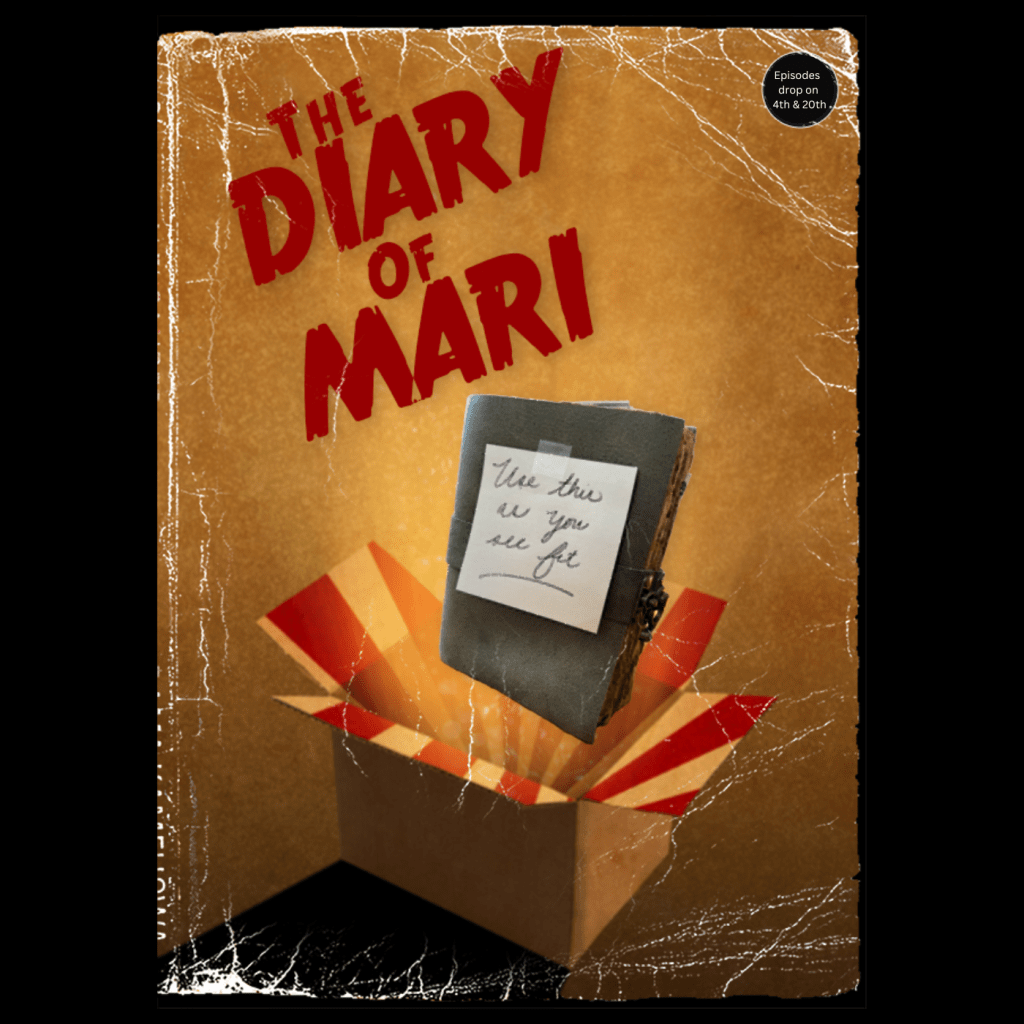
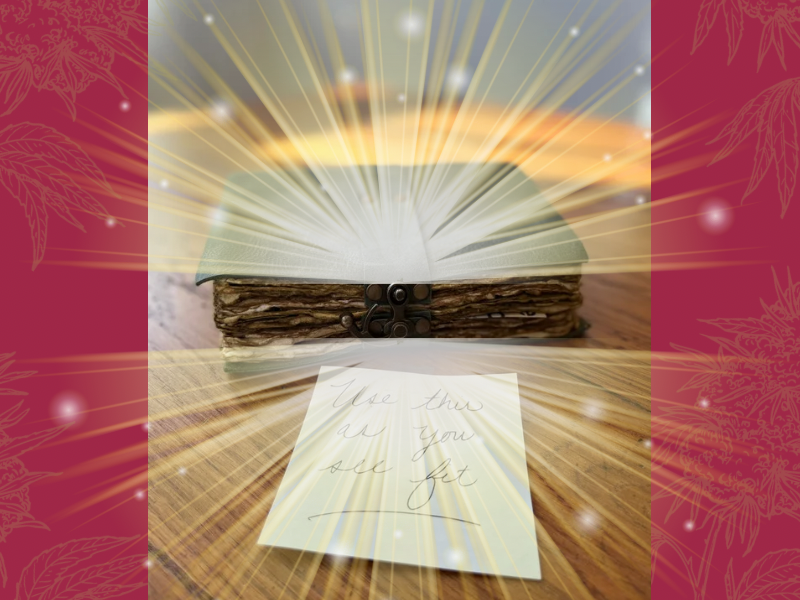
A few months I came across this interesting premise of a podcast. A woman receives an anonymous diary in the mail with a simple note that said “Use this as you see fit…”. Her and a friend and occasional guests review entries and end up learning all about the history of cannabis in the United States and beyond.
I was hooked from episode 1. It was funny, smart, sophisticated, and just loose and approachable enough that it is welcoming to anyone who may be curious or simply just want to lear more.
What was the creative force behind creating Use This As You See Fit? What was the catalyst for starting this project? Where did the idea of the mysterious book come from?
I’ve always believed that cannabis is a resource for wellness. Because of a variety of factors, in the last 5-10 years, I consumed as many books, articles, and documentaries as I could get my hands on. The more I learned, the more I wanted to learn. When I launched Elucidation Strategies in 2022, it was a way to bring my existing professional skill sets to the cannabis industry. When I looked at education and how people accessed information about cannabis history – which to me is the only path forward for destigmatization – I understood that bias played a big role in how open or closed people were to information about this very controversial plant.
Use This As You See Fit: The Diary of Mari was designed to be an approachable and different way to learn. By using an infotainment approach, listeners could be almost tricked into learning about cannabis history while being lightly encouraged to consider how their own bias
and beliefs contributed to perspectives. The topic of cannabis is complex, so the podcast tries to help listeners navigate those complexities, but still have a little fun. I knew I wanted to create something that explored history, but in a non-intimidating package. A podcast seemed like the best route for execution of that. I spent some time brainstorming. And yes, I was consuming cannabis when the idea of Mari as a human who keeps a diary, and an accessible first-person narrative that comes with a lot of creative liberties, hit me like a lightening bolt.
What if we heard from Ms. Mari Juana, marijuana personified, about all of these interesting moments in cannabis history? From the start, I knew she was highly intelligent and intuitive and very well read, and Mari’s commentary in her diary allows the perfect entry point to talk about how the messaging around influenced individuals and society-at-large over a long
span of time. So, cannabis itself played a key role in identifying a unique and entertaining way to talk about cannabis.
Who all is involved, and how is the creative vision of the podcast directed or broken up?
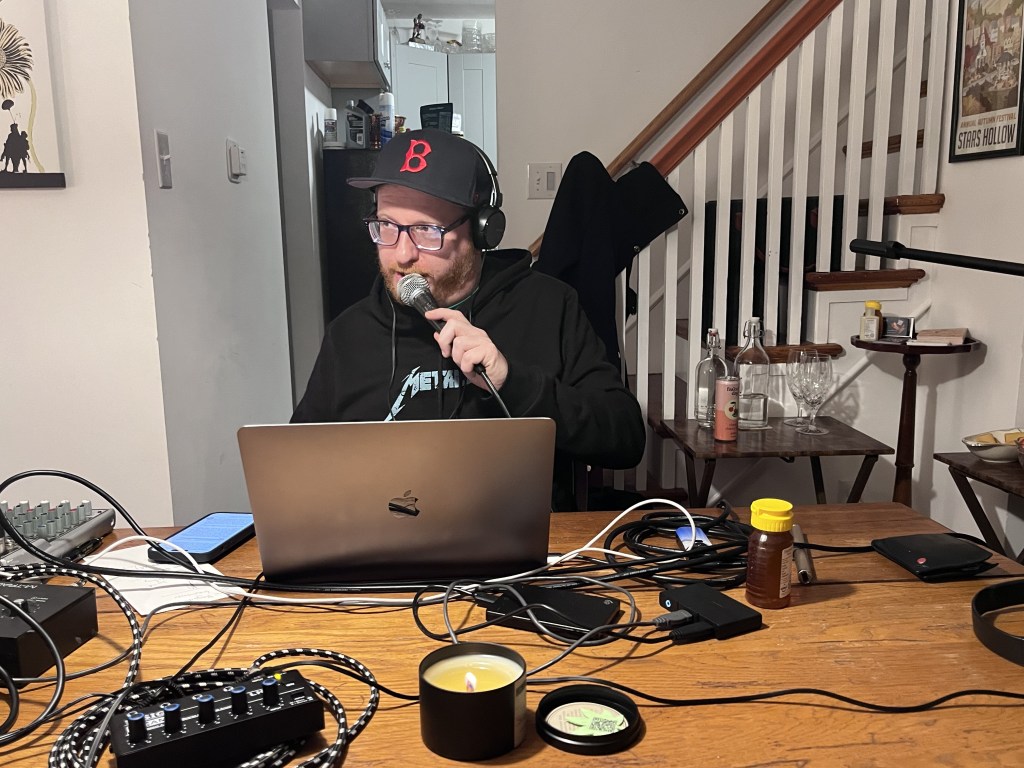
I’m lucky that Brandon Warrick, a friend who also enjoys learning about history, wanted to get involved. When I pitched him the idea, he loved it. He’s talented and skilled with all things production – he’s an amazing musician and has considerable experience in audio editing – so he
was an ideal partner on this passion project. It wasn’t until we started actually recording that I realized just how much of a perfect fit he was for co-hosting. He’s funny and quick-witted and brings such a warm vibe to every episode. Season 1 ran from January to September in 2023 and
it was just us. I take care of everything written, we record, and he takes care of everything technical. We have the best time doing it and I assume that folks hear that when they listen. Season 2, which dropped in April, involves more voices, which we’re both really excited about.
Who is your target audience for the podcast? I ask as there are some entry level stories and historic events, but also some pretty deep cuts and references that many people familiar with the plant may not pick up on the first listen.
If we had a magic wand and could create the perfect audience situation, the absolute ideal is for a group of people with differing views about cannabis to listen, maybe even together in real time, and then talk about what they heard and how that relates to present day and the future of
cannabis. Our hope is for people to hear about whatever is being discussed in the diary and go out and proactively learn a bit more about the topics and people and events being referenced. It was designed to appeal to a wide range of listeners, people who like mystery and history with a
little amusement on the side is at the top of list. Cannabis enthusiasts who value sparking conversation with the less enthused are also a target, so they can share some insight and have something to point to follow-up. And those who would consider themselves to be cannaconfused or cannacurious would likely benefit from tuning in.
How do you decide what facts and situations make it on to the podcast? Is there a set agenda that you have when picking what entries or stories you choose?
In the entries, just like any diary-writing or journaling, Mari is often working through her feelings about what people are saying about her and her family in newspapers and conversations. Brandon and I are always interested in exploring topics that have natural segues to important conversations that we’re having today about cannabis, so that’s a priority when selecting what
gets included in the entries. All of the historical references are verified and there’s typically a primary text to refer to for each episode. Some other non-history details are fabricated, as I wanted there to be a richness conveyed in Mari’s writings and stories. She’s been around a long time, so I knew from the beginning that her diary would span a few centuries. This affords me a
lot of choice when it comes to crafting the entries.
Have you always been a storyteller? Did you develop this skill or have you always had a creative drive to tell stories? Has it been part of your success as an educator and teacher? If so, in what ways?
For as long as I can remember, I’ve been in love with words and information exchange is my jam. I like sharing stories as much as I like receiving them. In my professional life, as a communications strategist, I get to help people find just the right words to convey just the right message and that fills my cup. I’ve been an adjunct communications professor for nearly 15
years and I enjoy supporting students find their voices. The skill sets have been in the works for awhile. I feel fortunate to have the opportunity to bring together my professional experiences and talents and my deeply-rooted beliefs about cannabis and its wellness possibilities. In my work in the industry, I’m not necessarily advocating for use because I get that it’s a highly individualized choice. I am always advocating for informed decision-making, which then touches on historical awareness and bias exploration, responsible use, consideration of data and evidence-based information, and other important factors when it comes to what people should know about the plant in order to decide whether to consume, whether to endorse it, whether to consider it – it’s about replacing harmful fiction with fact and acknowledging that there will always been differing viewpoints. That’s why storytelling is such a valuable mechanism for widening perspective. The podcast allows for genuine voice to deliver the history, as it can be easier to connect with and consider the information when it feels more personal and intimate. And the ability to bring some lightness and authenticity to a heavy, complex, and controversial topic through first person narrative invites everyone to the cannabis circle.
What is your creative process for developing the episodes? Do you list a few topics, then research them and see where it takes you, or do you have a pretty defined idea before you start?
I’m in research mode all the time, which helps with all of the cannabis-related work I do – Cannabis Community Conversation events, cannabis coursework for college students, and Green Shoulder conversations (concierge consumption guidance service for the cannacurious), so let’s
just say there are always many tabs open on my Macbook for diary entry possibilities. From there, it’s about narrowing down to what could make for the most interesting discussion. The unique format results in what feels like limitless possibilities. My friends, family, and colleagues are always indirectly involved too. I like to share research and interesting little nugs of cannabis
history and facts. The ones that get the most questions or conversations – they tend to make it into the episodes.
Will there be a spin-off with other topics, or is this project going to stay focused on Mariand her extended family?
Now into Season 2, we’ve heard Mari’s message loud and clear that we need to expand the exploration and talk with more people about the contents of her diary, so the conversations widened as Season 2 includes guests, impressive cannabists who are invited to investigate the entry with us. The focus is still on Mari and, and as she says, her “fam,” but now listeners get to hear from fresh voices who are actively contributing to the growing industry. Season 2 brings a different vibe.
What haven’t you done on / with the series that you hope to one day make a reality?
We think it would be fun to do some live recordings. We’ve also talked about creating some listening guides and encouraging people to listen as a social activity, almost like a book club, and be able to discuss how we can apply what we learn from history to today. Because of what the plant intersects with – topics related to economics, politics, health and wellness, social justice, sustainability, social experiences – cannabis really does directly or indirectly impact everyone. For many cannabis consumers, the social aspect is an enjoyable part of the experience, so anything we can do to encourage that feels right.
Do you have a dream guest that you would love to have?
Well, first of all…you! And assuming I can convince you to participate, we believe that Mari would be excited for us to explore an entry with Nicholas Cage because the box that she sent us at the end of Season 1 had his picture in it among a variety of other intriguing items. Brandon
and I have talked about how interesting it would be to have a guest join us who maintains an anti-cannabis stance, so that might qualify as a dream guest. When it comes down to it, we’re interested in spending time anyone who genuinely want to learn about cannabis history, so just like the entries themselves, the dream guests are limitless. Now, once time travel is a thing, we’ll have an even longer list of dream guests…
Is there anything from a creative side you have learned as a result of creating and developing this podcast?
We’ve learned so much! Between the research itself and the technical execution of podcasting, there’s always new stuff to absorb and things to do make better, more engaging episodes. We’ve been surprised by how much fun we’ve had, especially doing something that’s less traditional
(and sometimes harder to explain), in comparison to the other cannabis resources out there. We’re grateful that people enjoy tuning in to something we love doing. The thing that we’ve been truly surprised by is how many downloads are coming from outside of our region and even
the US. There have been downloads from dozens of countries around the world. This has reinforced just how much of a global topic cannabis is. History aligns with that – cannabis was thrust into global spotlight at the turn of the 20 th century because of international exploration of opium as a public health and safety topic. Most don’t realize just how much the opium narrative affected cannabis history.
What’s next for Mari?
The diary arrived on my doorstep one day with no explanation, just a note that suggested trust and expectation. Then, she sent another package to encourage us to widen the conversation. It’s a comfort to know that she’s out there listening and will share direction when she thinks we need
it. We have no idea what’s next, but isn’t that part of the fun?
Socials for the show?
https://linktr.ee/diaryofmari
https://www.instagram.com/thediaryofmari/
https://www.diaryofmari.com/
https://media.rss.com/thediaryofmari/feed.xml


 Triple Bolt Gazette
Leave a comment